There's a moment that happens on almost every shoot I do. We're in the middle of a session — a family at Greenhill Park, a couple on the Parkway, a business owner outside their premises in downtown Roanoke — and the light does something. It shifts, or it catches, or it falls through the trees at exactly the right angle. And for a few seconds, everything in the frame becomes something more than the sum of its parts.
That moment doesn't happen under a studio light. It doesn't happen with a flash. It happens because natural light is alive in a way that artificial light never is — and learning to find it, read it, and wait for it is the whole job.
What natural light actually does
Artificial light is consistent. It does the same thing every time you fire it, from the same angle, at the same temperature, producing the same result. For certain kinds of photography — product work, some commercial applications, highly controlled editorial shoots — that consistency is exactly what you want.
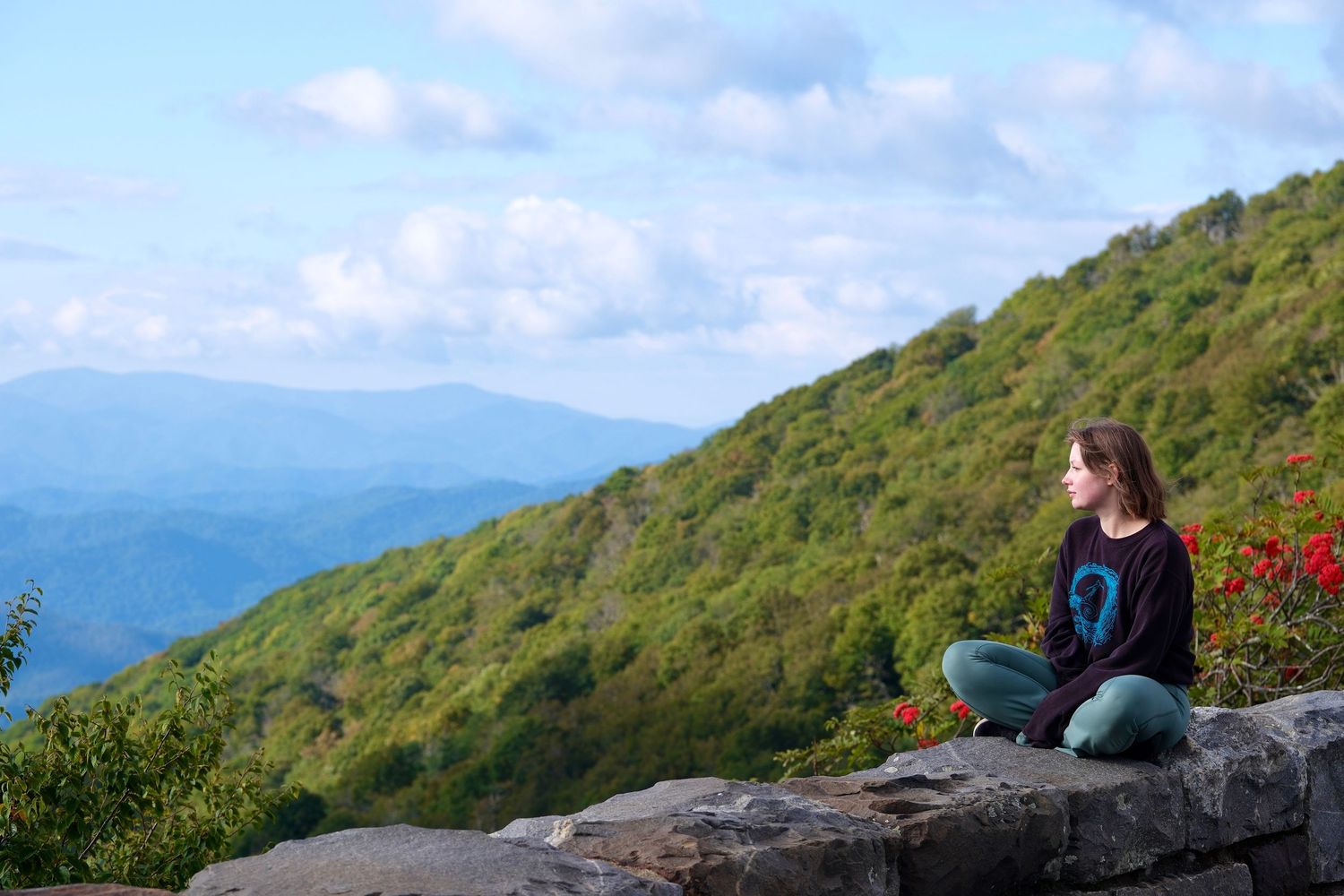
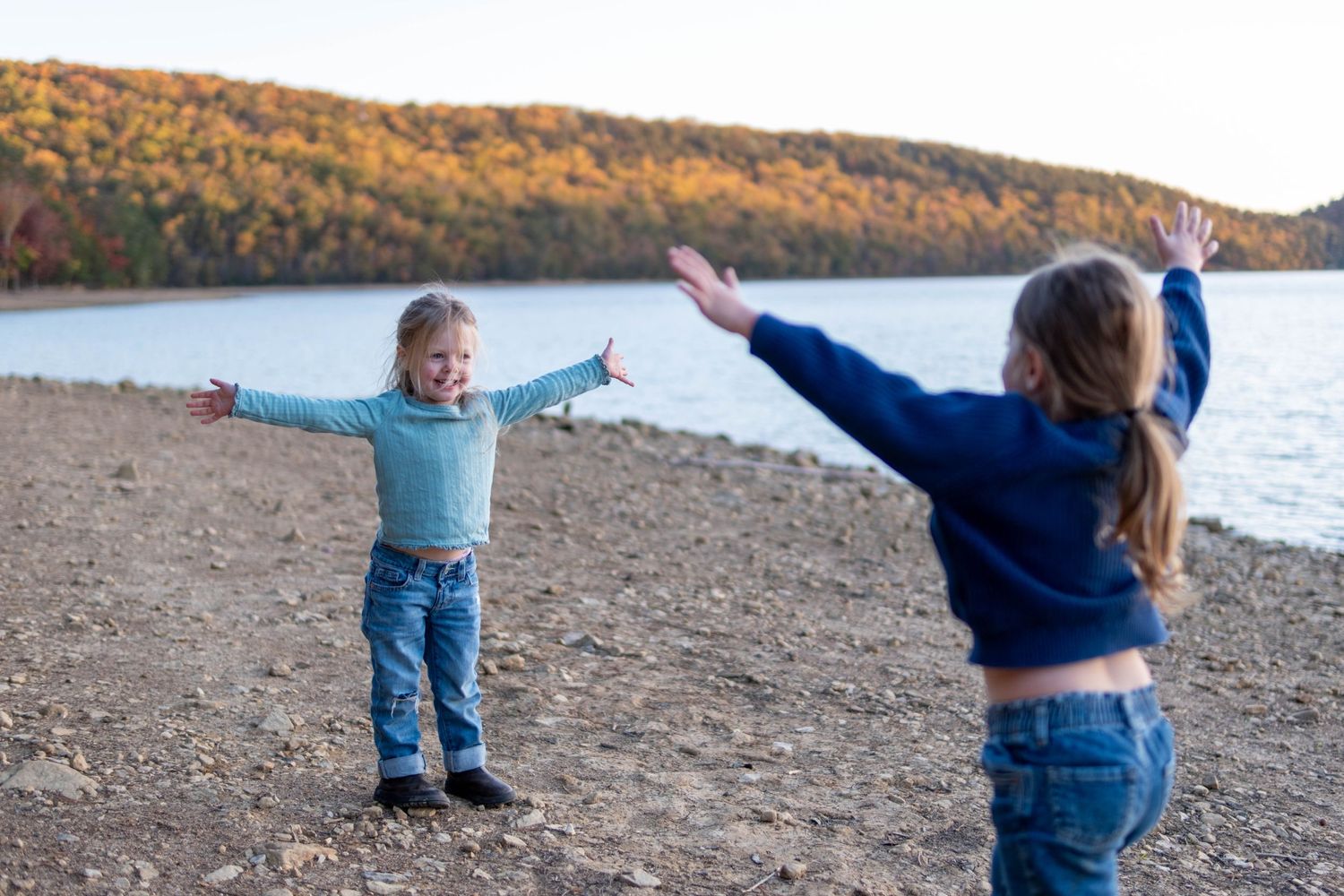
But for portraits, weddings, families, and the kind of documentary work I do across the Blue Ridge, consistency is the enemy. The images that matter are the ones that couldn't have been made five minutes earlier or five minutes later. The ones where the light is doing something specific and unrepeatable — the way a shaft of late afternoon sun falls across a pair of hands, the particular softness of open shade on a mountain overlook, the warm glow of a golden hour that lasts exactly as long as it wants to.
Natural light does all of that. A flash doesn't.
The Blue Ridge and natural light
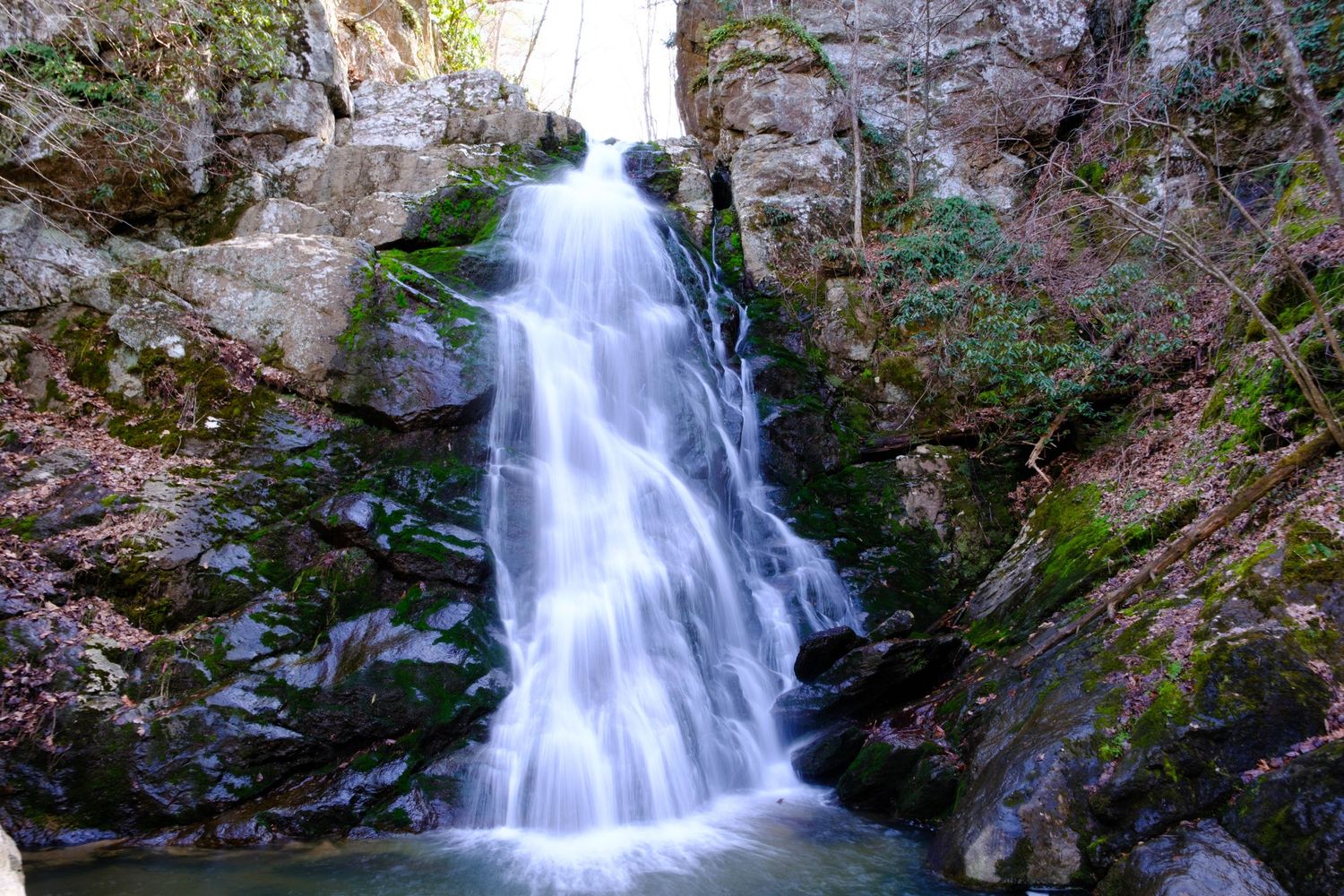
Virginia's Blue Ridge Mountains have a relationship with light that I don't think exists anywhere else on the East Coast. The altitude, the topography, and the particular quality of the atmosphere at elevation create lighting conditions that change hour by hour and season by season in ways that are extraordinary to work with.
Autumn mornings on the Parkway produce a soft, diffused light that wraps around faces and landscapes equally. Late spring evenings in the valley below Roanoke go golden in a way that makes everything look warmer and slower and more important than it is. Winter light is harder and more directional — less forgiving, but capable of producing images with a clarity and contrast that softer seasons can't match.
Learning to shoot in the Blue Ridge means learning to read all of it. When to be at a location and when to leave. Which direction to face at what time of day. Where the shadow falls and where the open sky gives you that clean, even light that's so kind to portraits.
Why I don't use flash
I made the decision early in my career to shoot natural light only, and I've never reconsidered it. Not because flash is technically inferior — it isn't — but because it changes something fundamental about the experience of being photographed.
When you introduce artificial light into a session, you introduce equipment. You introduce setup time, adjustment time, the physical presence of stands and modifiers and cables. You introduce a relationship between the subject and the technology that pulls attention away from where it should be — between the subject and the photographer, and between the photographer and the moment.
Without flash, a session is just two people in a place, with a camera. The setup disappears. The subject forgets the equipment. And the photographs start to look like they were found rather than made.
That's the goal. Always.
What this means for you
If you're booking a portrait session, a wedding, or any kind of photography with Lewis Edwards Photography, you're booking natural light. That means sessions are planned around the best light of the day — typically early morning or late afternoon. It means locations are chosen partly for how they behave with light at different times of year. And it means the final images will look exactly like the place and moment they came from — not like a version of it lit to look a certain way.
The Blue Ridge gives us extraordinary light to work with. The least I can do is use it.
If you're based in Roanoke or anywhere across Virginia and are looking for a natural light photographer for your wedding, portraits, or commercial work, get in touch — every project starts with a conversation.
Let's find the light together.